
Portland Calls CHAT a Model Program. So Why Cut It?
City's proposed budget cuts police, fire, and behavioral health response at the same time

How are you feeling about the current state of Portland?
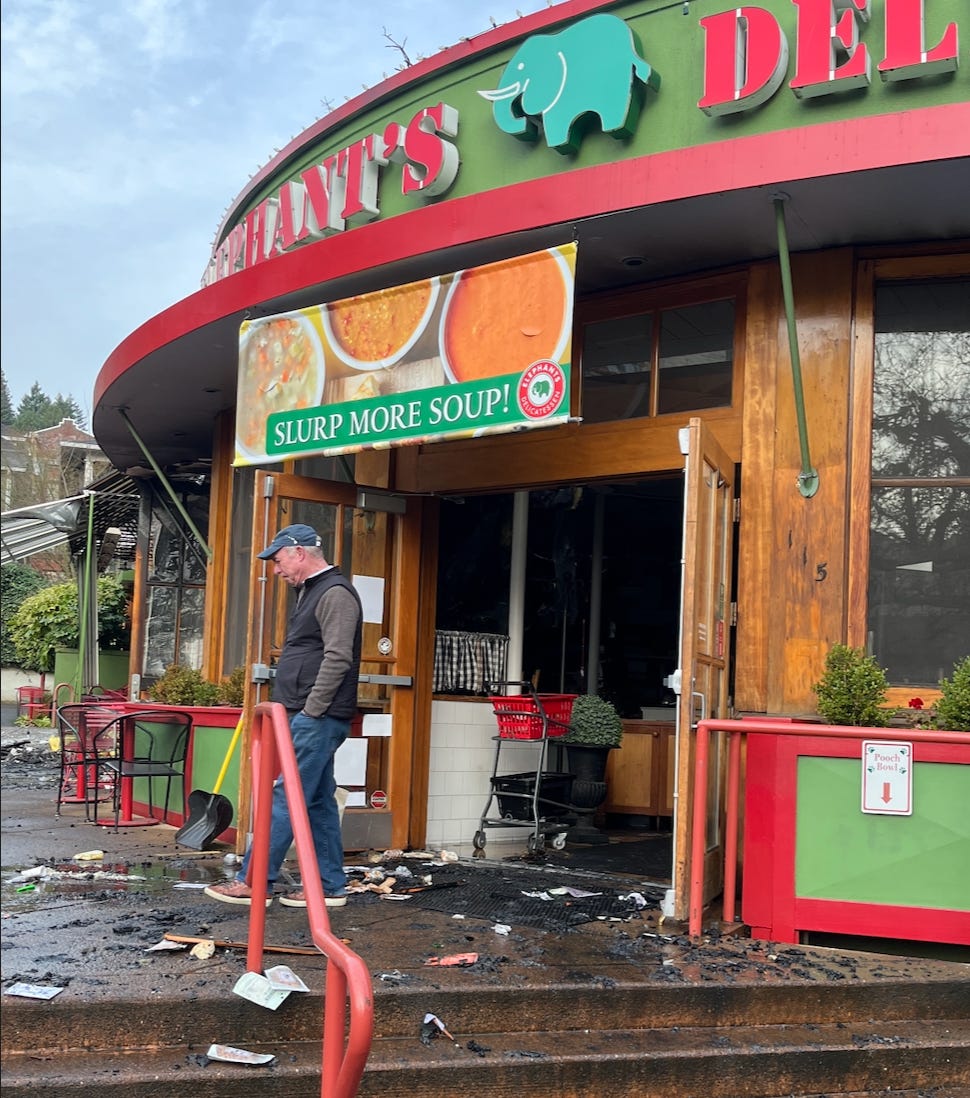
This past week, a Providence Park security guard checking on a man in crisis suffered major injuries after being attacked. Earlier this month, a former Multnomah Athletic Club employee drove a vehicle carrying propane tanks and improvised explosive devices into the Club. In March, a woman in severe mental distress caused the fire that severely damaged Elephant’s Delicatessen while searching for food.
In just the last several days, we also witnessed multiple people in visible untreated behavioral crises in the Stadiumhood corridor. Too many people like this are cycling through public spaces without enough intercept or stabilization capacity. Portland keeps approaching these systems as if they compete with one another instead of reinforcing one another.
Next week, Portland City Council holds budget hearings May 18–20 on a proposed budget that reduces police, fire, and behavioral health response resources across the city at the same time those systems are strained.
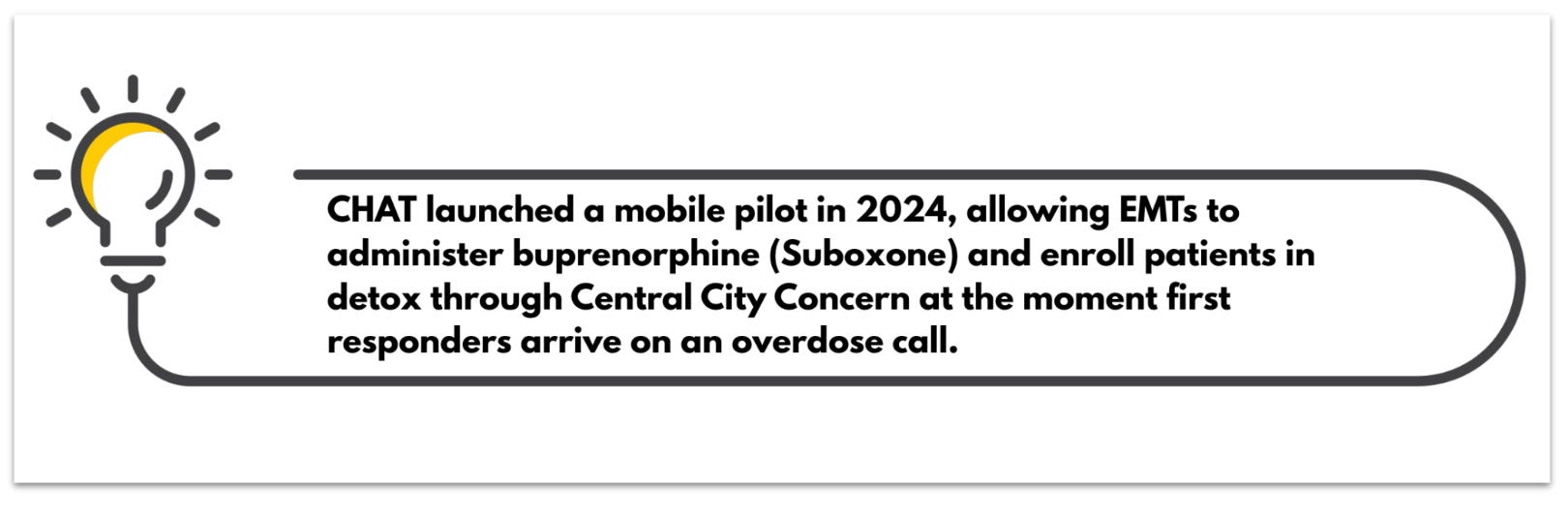
Among the proposed cuts is CHAT (Community Health Assess and Treat), Portland Fire & Rescue’s 20 person behavioral health co-response team that intervenes in high-acuity crisis calls before they escalate.
CHAT is staffed by nurses, paramedics, and EMTs trained to respond to severe behavioral health and overdose calls in the field. Since launching in 2021, the program has documented more than $16 million in healthcare savings. Despite this, the program still has no stable ongoing funding source. Portland is also simultaneously lobbying the state to expand CHAT while considering these local cuts.1
The answer isn’t CHAT instead of police or fire. It’s CHAT and police and fire. Weakening any part of this ecosystem just moves the cost somewhere more expensive and more dangerous. All safety budgets should be preserved and strengthened. The Mayor’s proposed cuts to safety budgets tops $32.2 million. Portland residents still have time to weigh in before the vote.
Three things you can do before May 20:
Submit written testimony at portland.gov/budget/join
Sign up for in-person or virtual testimony at the May 18–20 hearings (same link)
Email your councilor to protect safety budget programs
Your District 4 City Councilors are:
Council Vice President Olivia Clark: councilor.clark@portlandoregon.gov
Eric Zimmerman: councilor.zimmerman@portlandoregon.gov
Mitch Green: councilor.green@portlandoregon.gov
Your Community and Public Safety Committee members are:
Steve Novick Chair; Angelita Morillo Vice Chair; with Eric Zimmerman, Loretta Smith and Sameer Kanal
Watch City Council meetings live:
https://www.portland.gov/ogr/documents/2026-state-legislative-agenda
I think people who overdose on the street you be taken to the ER. They should thereafter be promptly civilly committed, treated medically, and then perhaps transferred after stabilization for mandatory 1 month at a less expensive locked drug rehab center that makes sure with urine testing they aren't finding a way to still use. We are undertreating these threats to life, the capacity of people with addiction to find drugs anywhere, and treatment after an overdose should not be contingent on patient consent.